

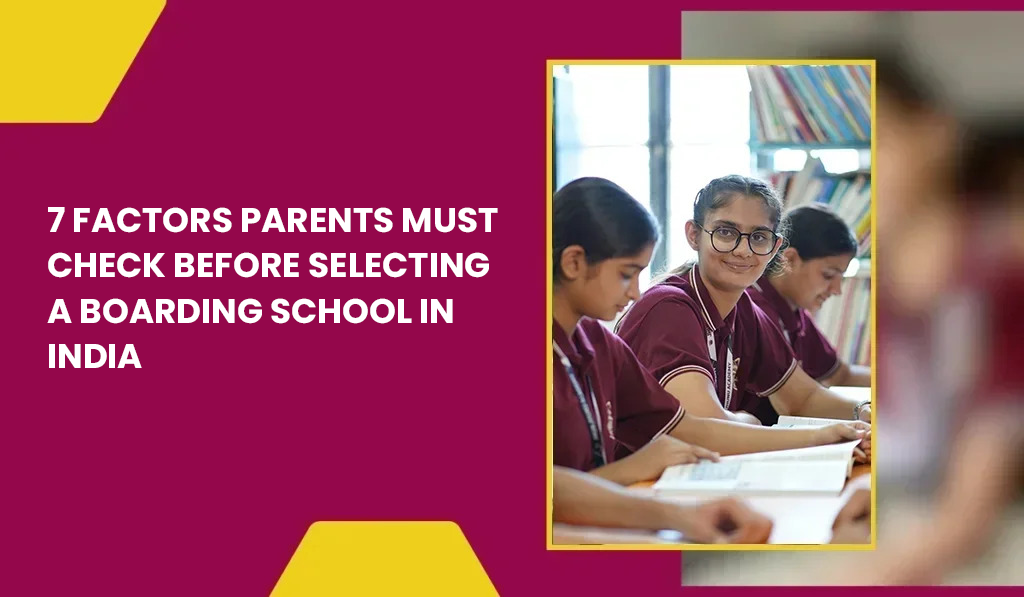
Choosing the right Boarding School in India is one of the most important decisions parents make for their child’s future. A boarding school is not just a place where students study; it becomes their second home, shaping their academic growth, personality, discipline, leadership skills, and overall development. With hundreds of options available, including CBSE, ICSE, IB, and international schools, selecting the most suitable institution can be challenging.
Many parents focus only on academic results, but factors such as safety, hostel facilities, faculty support, extracurricular opportunities, infrastructure, and communication systems are equally important. A well-balanced Residential School in India should provide a secure environment, quality education, and opportunities that help students become confident and responsible individuals.
This guide explains the key factors parents should evaluate before making a decision. Understanding these points will help you identify the Best Boarding School in India that aligns with your child’s educational goals, personality, and future aspirations.
7 Essential Factors That Define the Right Boarding School for Your Child
Selecting the right school requires careful evaluation of multiple aspects beyond rankings and marketing brochures. The following factors can help parents make an informed decision while comparing different institutions and exploring options among the Top 10 Boarding Schools in India.
1. Academic Excellence and Curriculum Standards
Academic quality should always be the first consideration when selecting a Boarding School for Students. Parents should evaluate the curriculum offered, board affiliation, examination results, teaching methodology, and student performance trends. Whether you are considering a CBSE Boarding School India or another educational board, ensure the curriculum supports both academic achievement and skill development. A school with strong academic planning, innovative teaching practices, and career guidance can significantly influence a student’s future success.
2. Student Safety and Security Measures
Safety is one of the most critical factors to consider before choosing a boarding school. Parents should examine campus security systems, CCTV surveillance, hostel supervision, visitor management protocols, medical facilities, emergency response mechanisms, and staff background verification processes. Safe boarding schools create a protected environment where students can focus on learning without unnecessary concerns. Strong security policies also provide peace of mind to parents whose children live away from home.
3. Hostel Facilities, Hygiene, and Food Quality
The quality of hostel accommodation directly impacts a student’s comfort and well-being. Parents should assess room arrangements, cleanliness standards, housekeeping services, healthcare support, and dining facilities. Nutritious meals, hygienic kitchens, clean drinking water, and comfortable living spaces contribute to a positive boarding experience. A detailed Boarding School Facilities Checklist should always include hostel infrastructure, sanitation standards, and food quality management before making a final decision.
4. Sports, Extracurricular Activities, and Personality Development
A good boarding school focuses on holistic development rather than academics alone. Sports, cultural programs, clubs, leadership activities, arts, music, and community engagement help students build confidence and life skills. Participation in extracurricular activities enhances teamwork, communication, problem-solving abilities, and emotional intelligence. Parents looking for the Best Boarding School for Students in India should ensure the institution offers a balanced approach to academics and personal growth.
5. Faculty Experience and Student Mentorship
Teachers play a vital role in shaping a child’s academic and personal journey. Parents should review faculty qualifications, teaching experience, training programs, and student-teacher ratios. Effective mentors provide guidance beyond classroom learning and help students navigate academic challenges, emotional concerns, and career decisions. A strong mentorship culture creates an environment where students feel supported, motivated, and encouraged to achieve their full potential.
6. Campus Infrastructure and Learning Resources
Modern infrastructure significantly enhances the learning experience. Parents should evaluate classrooms, laboratories, libraries, technology integration, innovation centers, sports complexes, and recreational facilities. Well-equipped campuses support practical learning, creativity, and skill development. Schools that invest in advanced educational resources often provide students with greater exposure to modern learning methods, preparing them for higher education and future careers in a competitive world.
7. Admission Process, Fee Structure, and Parent Communication
Understanding the Boarding School Admission Process in India is essential before applying. Parents should carefully review eligibility criteria, entrance examinations, documentation requirements, fee structures, scholarship opportunities, and refund policies. Equally important is the school’s communication system. Regular updates, parent-teacher interactions, academic reports, and digital communication platforms ensure parents remain informed about their child’s progress and overall well-being throughout the academic year.
Why These Factors Matter When Choosing a Boarding School in India
Parents often search online for How to choose a boarding school in India, but the answer lies in evaluating a combination of academic, personal, and environmental factors. A boarding school influences a child’s habits, discipline, social skills, emotional resilience, and career readiness.
The best institutions create an ecosystem where students learn responsibility, independence, leadership, and time management while receiving quality education. Focusing on these essential factors helps parents avoid decisions based solely on reputation or marketing claims and instead choose a school that genuinely supports long-term student development.
Additional Considerations Before Finalizing a Boarding School
Beyond the primary factors discussed above, parents should also consider the following aspects:
Location and Accessibility
The school’s location affects travel convenience, climate adaptability, and emergency accessibility. Parents should evaluate transportation options and proximity to major cities or healthcare facilities.
Student Well-Being Programs
Mental health support, counseling services, stress management programs, and emotional wellness initiatives are increasingly important in modern boarding schools.
Alumni Success and Reputation
Reviewing alumni achievements provides valuable insights into the school’s educational quality, leadership development, and long-term impact on students.
Career Guidance and Future Readiness
A forward-thinking boarding school should provide career counseling, competitive exam preparation, university guidance, and exposure to emerging career opportunities.
Technology Integration
Digital classrooms, online learning resources, coding programs, STEM labs, and technology-driven education prepare students for future academic and professional challenges.
Common Mistakes Parents Make While Choosing a Boarding School
Many parents unintentionally make decisions based on limited information. Avoiding these common mistakes can improve the selection process:
Choosing Based Only on Rankings
Rankings may not reflect the specific needs of every child. What works for one student may not be suitable for another.
Ignoring Campus Visits
Virtual brochures cannot replace firsthand observation. Visiting the campus helps parents assess infrastructure, cleanliness, and overall environment.
Overlooking Student Support Systems
Academic success is important, but counseling, mentorship, and emotional support services are equally essential.
Focusing Only on Fees
Higher fees do not automatically indicate better quality. Parents should assess the value provided in terms of academics, facilities, and student development.
Not Considering the Child’s Personality
The ideal boarding school should match the student’s interests, learning style, and personal goals rather than simply fulfilling parental expectations.
How to Shortlist the Best Boarding School in India for Your Child
Shortlisting the Best Boarding School in India requires a systematic approach. Begin by identifying your child’s academic goals, interests, personality traits, and future aspirations. Create a list of schools that align with these requirements and compare them based on curriculum, safety standards, faculty quality, hostel facilities, extracurricular opportunities, and infrastructure.
Research the school’s academic performance, accreditation, student achievements, and parent reviews. Attend admission counseling sessions, interact with faculty members, and, if possible, visit the campus personally. A physical visit provides valuable insights into classroom environments, hostel conditions, dining facilities, and overall student life.
Parents should also evaluate communication systems and understand the complete Boarding School Admission India process, including entrance tests, eligibility criteria, documentation, and fee structures. Comparing multiple institutions using a structured evaluation checklist helps eliminate unsuitable options and narrow the search effectively.
Most importantly, involve your child in the decision-making process. Their comfort, interests, and aspirations should play a significant role in selecting the right school. A thoughtful evaluation process increases the likelihood of finding a boarding school that supports both academic excellence and personal growth.
Conclusion
Choosing the right boarding school is a long-term investment in your child’s future. Academic excellence, safety standards, hostel facilities, faculty quality, extracurricular opportunities, infrastructure, and transparent admission processes should all be carefully evaluated before making a decision. Parents who focus on these essential factors are more likely to select an institution that nurtures confidence, discipline, leadership, and academic success.
Rather than relying solely on rankings or reputation, it is important to assess how effectively a school supports the overall development of students. A balanced educational environment helps children grow into capable, responsible, and future-ready individuals.
For parents seeking a modern educational environment that combines academics, character development, student well-being, and world-class learning opportunities, Modi World School – Wisdom City stands among the institutions committed to providing a comprehensive boarding school experience for students in India.
Frequently Asked Questions (FAQs)
1. How do I choose the best boarding school in India?
Parents should evaluate academics, safety measures, hostel facilities, faculty quality, extracurricular opportunities, infrastructure, fee structure, and communication systems before making a decision.
2. What are the most important factors to consider before choosing a boarding school?
Key factors include academic standards, student safety, hostel quality, sports facilities, faculty experience, campus infrastructure, and admission procedures.
3. Are boarding schools safe for students in India?
Most reputed boarding schools maintain strict security protocols, CCTV monitoring, hostel supervision, healthcare facilities, and emergency response systems to ensure student safety.
4. What facilities should a good boarding school provide?
A quality boarding school should offer modern classrooms, laboratories, libraries, sports facilities, secure hostels, nutritious meals, healthcare services, and extracurricular opportunities.
5. What is the boarding school admission process in India?
The admission process typically includes application submission, entrance tests, interviews, document verification, fee payment, and final enrollment.
6. Why is extracurricular development important in boarding schools?
Extracurricular activities help students develop leadership skills, confidence, teamwork, creativity, communication abilities, and overall personality development.
7. What makes a CBSE boarding school a good choice?
A CBSE Boarding School India offers a nationally recognized curriculum, structured academic framework, competitive exam preparation, and flexibility for higher education pathways.
8. Should parents visit the boarding school before admission?
Yes. Campus visits help parents evaluate infrastructure, hostel conditions, safety arrangements, cleanliness standards, and the overall learning environment before making a final decision.
📞 Admissions Open! Enroll now to shape your child’s bright future with us.
📲 Call: +91-7240372409
📍 Address: Modi World School, Wisdom City, Near Khemi Shakti Temple, Samaspur Road, Jhunjhunu, Rajasthan – 333001
#IPMATPreparationSchoolInRajasthan #CLATPreparationSchoolInRajasthan #CUETPreparationSchoolInRajasthan #IntegratedCoachingSchoolInRajasthan #SchoolWithCompetitiveExamPreparation #IPMATCLATCUETPreparation #BestSchoolForIPMATCLATCUET #EarlyPreparationForIPMATCLATCUET #FutureCareerOrientedSchool #CUETPreparationInSchool #ModiWorldSchool #WisdomCityJhunjhunu