

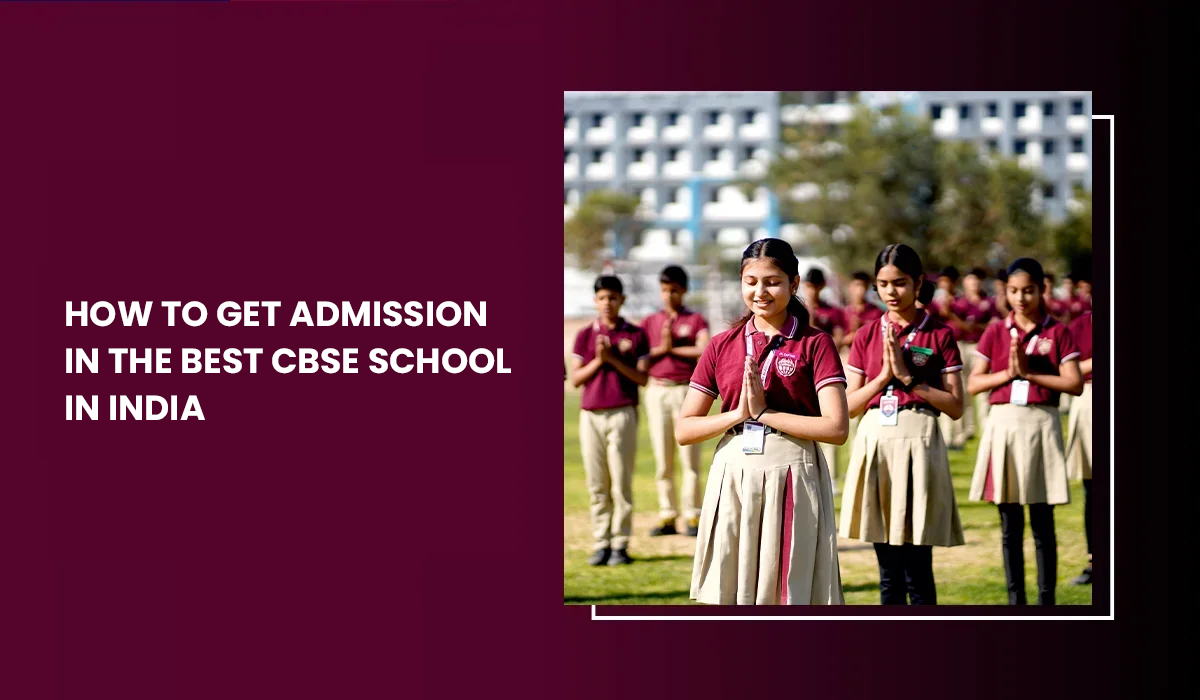
Choosing the right school is one of the most important decisions for parents, as it directly shapes a child’s academic foundation, personality, and future career. With thousands of options available, securing admission in the best CBSE school in India can seem challenging and overwhelming. The Central Board of Secondary Education (CBSE) is India’s most trusted and widely accepted education board, known for its structured curriculum, national recognition, and student-friendly learning approach.
Today, parents are not just looking for academic excellence but also holistic development, safe infrastructure, experienced faculty, and global exposure. Whether you are planning CBSE school admission in India, searching for a top CBSE school in India, or considering a boarding school in India, understanding the admission process is essential.
This detailed guide explains the CBSE school admission process, eligibility criteria, documents required, and expert tips to help you secure admission in a top residential CBSE school in India with confidence.
What Makes a CBSE School the Best in India?
The best CBSE schools in India stand apart due to their balanced focus on academics, discipline, skill development, and values. A top CBSE school follows the latest CBSE curriculum guidelines while adopting innovative teaching methods that encourage conceptual clarity instead of rote learning.
One key factor is experienced and well-trained faculty who understand student psychology and use interactive learning techniques. Infrastructure also plays a vital role. Smart classrooms, modern laboratories, libraries, sports facilities, and safe residential campuses define a top residential school in India.
Additionally, the best schools emphasise co-curricular activities such as sports, arts, leadership programs, and life skills. Many boarding schools in India also focus on discipline, independence, and personality development, preparing students for competitive exams and global opportunities.
Parental involvement, transparent communication, student safety, and value-based education further define excellence. A school that blends academic performance with emotional and social growth truly deserves the title of the best CBSE school in India.
Step-by-Step Guide: How to Get Admission in the Best CBSE School in India
- Research top CBSE schools with strong academic results
- Shortlist schools based on location and facilities
- Check CBSE school admission criteria and age limits
- Visit the school campus or attend virtual tours
- Understand the CBSE school admission process clearly
- Fill the application form accurately and on time
- Prepare your child for interaction or entrance test
- Submit all required documents without errors
- Attend parent-school interaction or counselling session
- Confirm admission by paying fees within deadline
Eligibility Criteria for CBSE School Admission
Eligibility for CBSE school admission depends on the child’s age, previous academic qualification, and the class applied for. CBSE follows standard age norms to ensure age-appropriate learning.
For nursery or kindergarten admission, children usually need to be between 3 to 5 years of age, depending on the school’s guidelines. For Class 1 admission, the child must generally be at least 5 or 6 years old.
For higher classes, students must have successfully completed the previous class from a recognised school. Many top CBSE schools in India may also assess academic performance, communication skills, and overall aptitude through entrance tests or interactions.
For boarding school admission in India, additional eligibility may include physical fitness, adaptability, and emotional readiness to live in a residential environment. Some top residential schools in India also consider extracurricular achievements and discipline records.
Parents should always check the school’s official guidelines, as eligibility criteria may vary slightly across institutions.
Documents Required for CBSE School Admission
Proper documentation is crucial for a smooth CBSE school admission process. Missing or incorrect documents can delay or even cancel admission.
Commonly required documents include:
- Birth certificate issued by a municipal authority
- Transfer Certificate (TC) from the previous school
- Previous year’s report card or mark sheet
- Aadhaar card of the student and parents
- Passport-size photographs of the student
- Address proof of parents or guardians
- Medical fitness certificate
- Caste certificate (if applicable)
For boarding schools in India, additional documents such as a student medical history form, consent forms, and hostel agreements may be required.
It is advisable to keep multiple photocopies and scanned versions ready. Always cross-check the document list provided by the school to avoid last-minute stress during admission in CBSE school.
How to Choose the Best CBSE School in India for Your Child
Selecting the best CBSE school in India requires more than just checking rankings. Parents should evaluate the school’s teaching methodology, faculty experience, infrastructure, and academic track record.
Look for schools that maintain small class sizes to ensure personalised attention. A strong emphasis on sports, arts, and extracurricular activities indicates holistic development. Safety, discipline, and student wellbeing are especially important for a boarding school in India.
Parents should also assess the school’s values, communication system, and parental involvement. Visiting the campus, interacting with teachers, and speaking to existing parents can provide valuable insights.
Another important factor is future readiness. The top CBSE schools in India prepare students for competitive exams, leadership roles, and global exposure. A school that balances academics with life skills is the ideal choice for long-term success.
FAQs
1. What is the right age for CBSE school admission in India?
Age criteria vary by class, but Class 1 admission usually requires a minimum age of 5–6 years.
2. Do top CBSE schools conduct entrance tests?
Yes, many top CBSE schools in India conduct entrance tests or student interactions.
3. Is boarding school better than day school?
A boarding school in India offers discipline, independence, and holistic growth, ideal for some students.
4. When should I apply for CBSE school admission?
Most schools start admissions between October and January for the next academic year.
5. Can students transfer from other boards to CBSE?
Yes, students can transfer if eligibility criteria and documentation are fulfilled.
Conclusion
Getting admission in the best CBSE school in India requires early planning, thorough research, and a clear understanding of the CBSE school admission process. From checking eligibility criteria to submitting accurate documents and preparing for entrance interactions, every step plays a crucial role in securing a seat at a top CBSE school in India.
Parents should focus on schools that offer not only academic excellence but also character building, leadership skills, and emotional development. Especially for families considering a boarding school in India, choosing an institution with strong values, safe infrastructure, and experienced faculty is essential.
Modi World School – Wisdom City stands out as a progressive CBSE institution that combines academic excellence with holistic development, modern infrastructure, and value-based education. With a student-centric approach and a strong learning environment, it reflects the qualities parents look for in a top residential CBSE school in India.
📞 Admissions Open! Enroll now to shape your child’s bright future with us.
📲 Call: +91-7240372409
📍 Address: Modi World School, Wisdom City, Near Khemi Shakti Temple, Samaspur Road, Jhunjhunu, Rajasthan – 333001
#ModiWorldSchool #CBSESchoolInIndia #BestBoardingSchool #TopBoardingSchool #BestSchoolInIndia #CBSEBoardingSchool #AdmissionsOpen #QualityEducation #BoardingSchoolIndia #ResidentialSchool #FutureReadyEducation #BoardingSchoolLife #TopCBSERajasthan #ModernEducation #CBSEIndia #SchoolAdmissions